Advanced Care for Urinary Incontinence, Overactive Bladder & Stress Urinary Incontinence
Urinary incontinence is a common but treatable condition that affects both women and men. Involuntary leakage of urine can significantly impact quality of life, confidence, and daily activities. Many patients hesitate to seek help due to embarrassment, but modern urology offers highly effective treatments.
We provide comprehensive urinary incontinence treatment in [City], including care for Overactive Bladder (OAB), Stress Urinary Incontinence (SUI), and advanced surgical options like Transobturator Tape (TOT) surgery.
What is Urinary Incontinence?
Urinary incontinence is the inability to control urine leakage. It can range from occasional leaks during coughing or sneezing to sudden, uncontrollable urges to pass urine.
Urinary incontinence is not a normal part of ageing and should be properly evaluated by a urologist.
Types of Urinary Incontinence
Overactive Bladder (OAB)
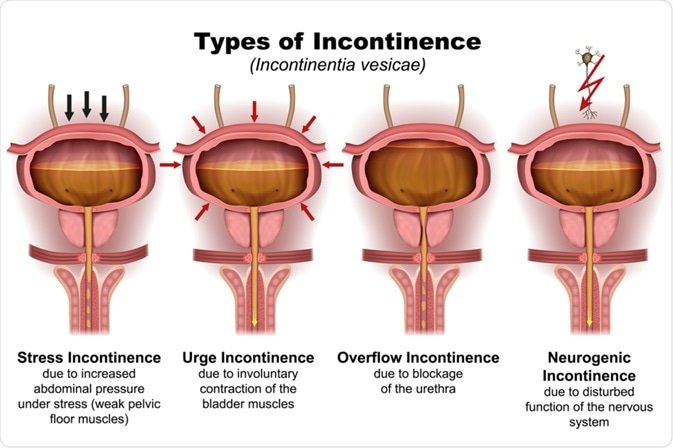
Overactive bladder is characterized by a sudden, strong urge to urinate that is difficult to control.
Common symptoms of OAB:
- Urgency to pass urine
- Frequent urination
- Night-time urination (nocturia)
- Urge urinary incontinence
OAB is caused by bladder muscle overactivity and can occur without infection or obstruction.
Stress Urinary Incontinence (SUI)
Stress urinary incontinence occurs when urine leaks during activities that increase abdominal pressure.
Common triggers include:
- Coughing or sneezing
- Laughing
- Lifting heavy objects
- Exercise
SUI is more common in women, especially after childbirth or menopause, but can also occur in men after prostate surgery.
Diagnostic Evaluation for Urinary Incontinence
Accurate diagnosis is essential to select the right treatment. Evaluation may include:
- Detailed history and bladder diary
- Urine routine and culture
- Ultrasound of urinary tract
- Uroflowmetry and post-void residual urine
- Urodynamic study (in selected cases)
- Cystoscopy (if indicated)
Treatment Options for Urinary Incontinence in Delhi and Bahadurgarh
Treatment is individualized based on the type and severity of incontinence.
Non-Surgical Treatments
- Lifestyle and fluid management
- Pelvic floor muscle exercises (Kegel exercises)
- Bladder training therapy
- Medications for overactive bladder
Surgical Treatment – Transobturator Tape (TOT) Surgery
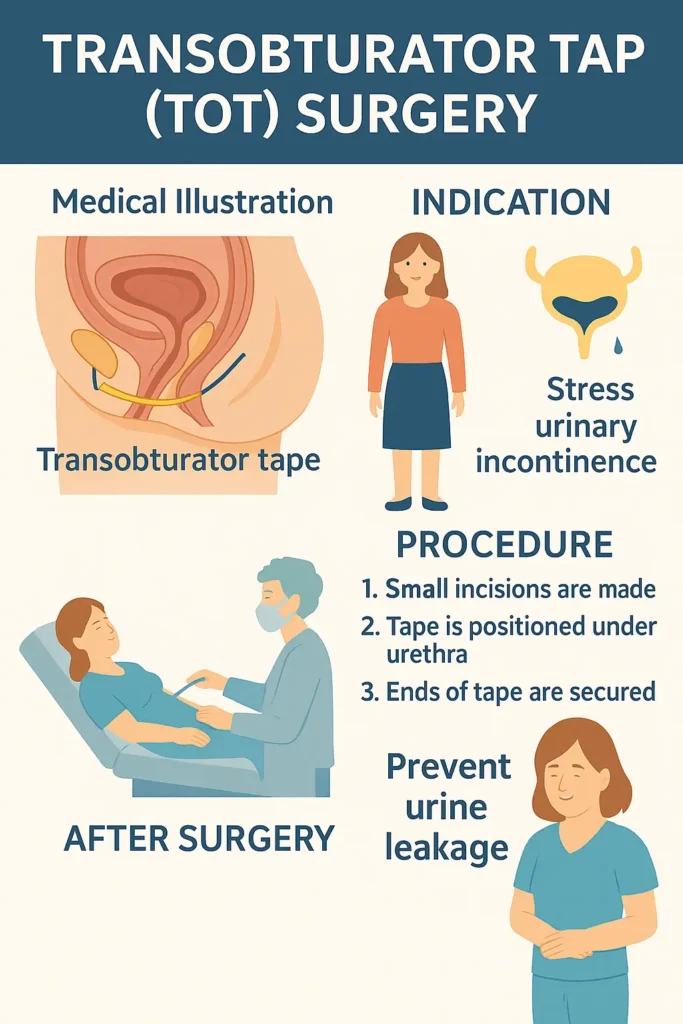
Transobturator Tape (TOT) is a minimally invasive surgical procedure used primarily for Stress Urinary Incontinence in women.
Advantages of TOT surgery:
- Small incision and minimally invasive
- High success rates
- Short hospital stay
- Faster recovery
- Durable long-term results
The tape provides support to the urethra, preventing urine leakage during physical activity.
Why Choose Us for Urinary Incontinence Treatment in Delhi and Bahadurgarh?
- Experienced urologist with special interest in female urology
- Evidence-based, guideline-driven care
- Complete privacy and sensitive counselling
- Advanced diagnostic facilities
- Both non-surgical and surgical treatment options
- Dedicated post-treatment follow-up
When Should You See a Urologist?
Consult a urologist if you have:
- Urine leakage affecting daily life
- Sudden urge to urinate with leakage
- Leakage during coughing or exercise
- Night-time urination disturbing sleep
- Symptoms not improving with medicines
Frequently Asked Questions (FAQs)
Is urinary incontinence curable?
Yes. Most types of urinary incontinence can be significantly improved or cured with proper diagnosis and treatment.
Is TOT surgery safe?
Yes. TOT surgery is a well-established and safe procedure with excellent outcomes for stress urinary incontinence.
How long does recovery take after TOT surgery?
Most patients resume normal activities within 1–2 weeks, avoiding heavy exertion initially.
Book an Appointment for Urinary Incontinence Treatment in Delhi and Bahadurgarh
If urinary leakage is affecting your confidence and lifestyle, consult an experienced urologist for accurate diagnosis and advanced treatment options.
Call Now | Book Online | WhatsApp Consultation